

You want a reliable crown without multiple visits, and Kansas City now offers efficient same-day options that fit busy schedules. Dental offices there use in-office CAD/CAM milling to design, craft, and place durable ceramic crowns in a single appointment, so you leave with a finished restoration instead of a temporary one. If you need a strong, natural-looking crown quickly, same-day crowns in Kansas City let you get permanent results in hours rather than weeks.
They combine modern digital scans, precise milling, and local expertise to reduce discomfort and repeat visits while preserving more of the natural tooth. This post will explain what same-day crowns are, how the procedure works, what benefits you can expect, how to choose a dentist in Kansas City, and what recovery and costs typically look like so you can decide with confidence.
What Are Same-Day Dental Crowns?
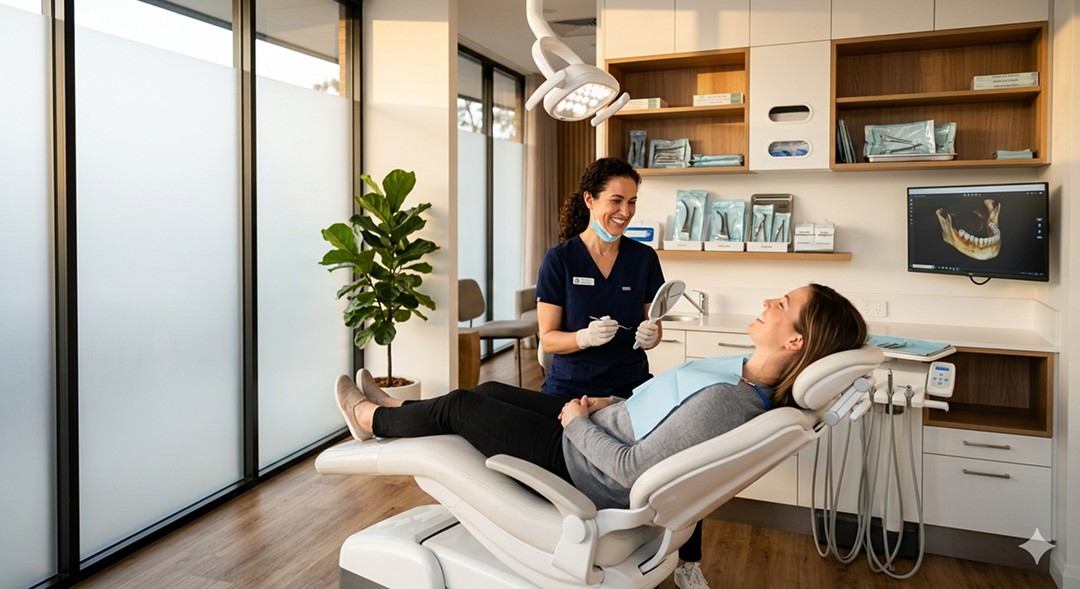
Same-day dental crowns let patients get a custom-fit crown in a single appointment using digital scans and in-office milling. They restore strength and appearance quickly, reducing the need for temporary crowns and multiple visits.
How Same-Day Crowns Differ From Traditional Crowns
Same-day crowns use intraoral scanners to capture a precise 3D image of the prepared tooth instead of physical impressions. A dentist or dental assistant designs the crown on CAD software; then an on-site milling unit fabricates the restoration from a single block of ceramic while the patient waits. This workflow typically takes 60–120 minutes from scanning to placement.
Traditional crowns usually require two visits: one to prepare the tooth and place a temporary crown, and a second visit days or weeks later for cementation of the lab-made crown. Lab crowns often use metal-ceramic or layered porcelains and can provide excellent results, but they add time, potential temporary-crown issues, and extra impression steps. Same-day crowns minimize chair time, lower risk of ill-fitting temporaries, and let the dentist make adjustments immediately before final cementation.
Common Reasons Patients Need Crowns
Crowns protect teeth with large cavities that threaten structural integrity. When a filling would be too small to restore normal chewing forces, a crown covers the entire visible tooth to prevent fracture. Patients also get crowns after root canal therapy to reinforce a tooth that has lost internal structure.
Crowns improve appearance for worn, misshapen, or severely discolored teeth that don’t respond to whitening. They also restore dental implants and anchor dental bridges. People with cracked or fractured teeth, heavy bite wear, or repeated restorations on the same tooth commonly receive crowns to extend tooth life and restore function.
Materials and Technology Behind Modern Crowns
Same-day systems typically use monolithic ceramics such as lithium disilicate (e.g., IPS e.max) or high-strength zirconia blocks. These materials offer a balance of strength, translucency, and shade-matching ability for anterior and posterior restorations. Monolithic ceramics reduce chipping because they lack layered porcelain veneers.
Key technologies include high-resolution intraoral scanners, CAD design software, and 4- or 5-axis milling machines. The workflow often includes on-site sintering or crystallization ovens when using materials that require heat treatment to reach final strength and color. Dentists can adjust occlusion and polish the crown immediately, and final cementation uses adhesive or conventional resin cements chosen for retention and marginal seal.
Benefits of Choosing Same-Day Crowns in Kansas City
Patients in Kansas City save time, avoid temporary crowns, and leave with a polished, durable restoration after a single appointment. These advantages improve comfort, reduce repeat visits, and fit well into busy schedules.
Time Savings and Convenience
Same-day crowns use in-office CAD/CAM technology to scan, design, mill, and place a crown in one visit. A typical appointment lasts 90–120 minutes, compared with two or more visits spread over 1–3 weeks for traditional crowns.
This single-visit workflow eliminates the need for a temporary crown and a second appointment for final placement. For working adults, parents managing school schedules, or those traveling to the clinic, that means fewer lost work hours and less coordination with transportation and childcare.
Insurance and scheduling vary by Kansas City clinics; many practices streamline billing and offer flexible evening or weekend slots. Patients should confirm coverage and available appointment times before treatment to maximize convenience.
Restoring Your Smile in a Single Visit
Same-day crowns restore tooth shape, color, and function immediately after the tooth is prepared. Dentists capture a digital impression that produces a precise crown matched to the patient’s shade and bite.
Because the crown is fabricated on-site, dentists can make real-time adjustments to fit and aesthetics. That immediate feedback reduces the chance of remakes and shortens the timeline from diagnosis to final restoration.
For front teeth, same-day crowns enable refined color matching and polishing during the appointment, helping patients leave with a natural-looking smile. For molars, strength and occlusal accuracy return the ability to chew comfortably right away.
Comfort and Fit Advantages
Digital impressions replace putty trays, reducing gag reflexes and making the appointment more comfortable for many patients. The crown’s mill-to-fit process increases accuracy, which lowers the risk of marginal gaps that can trap food or cause sensitivity.
Because the crown is placed the same day, patients avoid wearing a temporary crown that can fracture, dislodge, or cause gum irritation. Fewer visits also mean less anesthetic exposure and less postoperative soreness overall.
Many Kansas City dentists use high-strength ceramic materials (e.g., lithium disilicate) that combine aesthetics with durability. Patients should discuss material choices, longevity expectations, and at-home care to ensure the best long-term result.
If they have questions about same-day crowns or want to schedule an evaluation, patients can contact their local Kansas City dental office to discuss options and next steps.
The Step-By-Step Same-Day Crown Procedure
This section explains how dentists prepare the tooth, create a precise digital design, and mill a final crown in one visit. It focuses on what patients experience, how long each phase takes, and what to expect for comfort and fit.
Initial Preparation and Digital Impressions
The dentist evaluates the tooth and takes X-rays to confirm there’s no hidden infection or root problem. They numb the area with a local anesthetic; most patients feel pressure but little to no pain during the trimming.
Tooth reduction follows: the dentist shapes decay or old restoration away and creates a uniform preparation for the crown. That step typically takes 10–25 minutes depending on complexity.
Instead of a physical mold, the clinician uses an intraoral scanner to capture a digital impression. The scanner creates a 3D model in minutes, reducing gagging and the need for retakes.
Technicians or the dentist review the scan in real time to ensure margins, bite, and neighboring teeth look correct. If adjustments are needed, the scan can be redone immediately, keeping the appointment on track.
In-Office Custom Design Process
After the scan, the dentist or a trained technician begins the digital design using CAD software. They set crown thickness, occlusion (how teeth meet), and contours to match adjacent teeth and gum lines.
Color matching happens visually and with shade guides; many offices also use digital shade-matching tools to improve esthetic accuracy. The goal: a crown that blends with the patient’s smile and supports healthy gum tissue.
Design adjustments include checking contacts with adjacent teeth to prevent food traps and verifying occlusion with the opposing arch. The software simulates the bite so the crown requires minimal chairside tweaking.
This design phase typically takes 10–30 minutes. The dentist explains shape and shade options and confirms patient comfort with the proposed look before sending the file to the milling unit.
Crown Milling and Placement Experience
The milling machine fabricates the crown from a ceramic block onsite, usually in 10–30 minutes depending on material and milling complexity. Patients often wait in the operatory or a nearby waiting area during this process.
Once milled, the restoration is tried in. The dentist checks fit, marginal seal, contacts, and bite in the mouth, making minor adjustments with fine burs or polishing wheels as needed. This testing typically lasts 5–15 minutes.
After fit is confirmed, the dentist cleans and prepares the tooth surface, then bonds the crown using a resin cement or adhesive protocol suited to the chosen ceramic. Bonding takes a few minutes plus light curing.
Final checks include polishing, verifying bite with articulating paper, and giving home-care instructions. Most patients leave the office within 60–120 minutes from arrival with a permanent, functional crown.
Finding the Right Dentist for Same-Day Crowns
Patients should prioritize a dentist who combines specific technical skills with modern equipment and clear communication. Practical factors—clinic location, appointment availability, and insurance acceptance—matter as much as clinical expertise.
Qualifications to Look For
Look for a dentist with formal training in restorative dentistry and CAD/CAM experience. Dentists who completed postgraduate courses or continuing education in digital impressions and same-day crown systems (e.g., CEREC) typically produce more predictable fits.
Check for state dental board licensure and any specialty certifications. While prosthodontists specialize in complex restorations, many general dentists gain similar competence through targeted training and case experience.
Evaluate the clinic’s technology: an intraoral scanner, in-office milling unit, and digital design software are essential for true same-day delivery. Ask whether the lab work is done on-site or outsourced; on-site milling shortens turnaround and reduces remakes.
Review before-and-after photos and patient testimonials specific to crowns. Consistent results and documented cases of same-day crowns indicate practical experience rather than just theoretical knowledge.
Questions to Ask During Consultation
Ask how the dentist handles shade matching and material selection. Specific materials (monolithic zirconia, lithium disilicate) differ in strength and esthetics; the dentist should explain trade-offs for a molar versus a front tooth.
Request details on the digital workflow: who performs the scan, how long milling takes, and whether try-in or adjustments occur the same day. Clear timing expectations help plan work or childcare around the appointment.
Inquire about warranty, follow-up care, and how they handle remakes or sensitivity after placement. A written policy on adjustments and a short post-op check build confidence.
Confirm insurance acceptance, out-of-pocket estimates, and financing options before scheduling. Patients should also ask about sedation or comfort measures if anxiety or a strong gag reflex might interfere with scanning.
Caring for Your New Crown After Treatment
Proper care preserves the crown’s fit, appearance, and function. Follow specific home oral habits and keep scheduled checks to prevent complications and extend the crown’s lifetime.
Best Practices for Home Oral Care
Brush twice daily with a soft-bristle brush and fluoride toothpaste, focusing on the crown margins where plaque collects. Use gentle circular strokes; avoid aggressive scrubbing that can loosen cement or irritate the gum line.
Floss once daily, sliding the floss up and down alongside the crown rather than snapping it through. If flossing pulls at the crown, switch to floss threaders or interdental brushes sized for the gap to clean contacts safely.
Rinse with an alcohol-free antiseptic mouthwash if recommended by the dentist, especially for the first week after placement to reduce sensitivity and bacterial buildup. Avoid hard, sticky, or extremely chewy foods for 48–72 hours if the cement is still setting or sensitivity persists.
If a temporary crown was used before the same-day ceramic was bonded, treat it carefully until final cementation—no biting directly with that tooth on hard items. Report persistent pain, a loose feeling, or a change in bite alignment promptly.
When to Schedule Follow-Up Visits
Schedule a follow-up visit 1–2 weeks after crown placement so the dentist can check the bite, margin fit, and soft-tissue healing. This visit also lets the clinician adjust occlusion to prevent wear or discomfort.
After the initial check, plan routine dental exams every six months for hygiene and to monitor the crown and opposing teeth. If the patient has bruxism, diabetes, or gum disease, visits may be every three to four months for closer surveillance.
Call the dental office immediately if the crown chips, feels loose, causes sharp pain when biting, or if there’s swelling or pus near the crown. Early intervention usually allows repair or recementation and helps avoid more extensive treatment.
If questions remain about cleaning techniques, dietary limits, or protective options like night guards, the dentist can demonstrate methods and recommend products suited to the patient’s mouth.
Comparing Permanent Crowns With Other Restoration Options
Permanent crowns replace a damaged or weakened tooth with a full-coverage restoration that restores strength, shape, and function. They differ from fillings and veneers in how much tooth structure they replace, how long they last, and what problems they best treat.
Differences Between Crowns, Fillings, and Veneers
Crowns cover the entire visible tooth above the gum line. Dentists use crowns for large fractures, root-canal-treated teeth, or when a tooth needs major structural support. Materials include porcelain-fused-to-metal, all-ceramic, and zirconia; each balances strength, appearance, and cost.
Fillings repair small to moderate cavities by replacing decayed tooth material with composite resin or amalgam. They conserve more natural tooth structure than crowns but offer less reinforcement. Fillings typically last 5–15 years depending on material and oral hygiene.
Veneers are thin porcelain or composite shells bonded to the front surfaces of teeth. They correct cosmetic issues—stains, minor chips, or spacing—but do not strengthen a tooth the way a crown does. Veneers require less tooth reduction than crowns but are unsuitable for teeth with large restorations or significant structural loss.
Which Solution Is Right for You?
Dentists choose restorations based on damage extent, bite forces, esthetic goals, and budget. For a tooth with extensive decay, large existing fillings, or after a root canal, a crown usually offers the best protection and longevity. A patient seeking only cosmetic change on front teeth often finds veneers faster and less invasive.
If decay is limited and the tooth structure remains strong, a composite filling preserves more tooth and costs less upfront. Insurance coverage and long-term maintenance also influence the decision. Patients with bruxism may need stronger materials (zirconia crowns) or night guards to protect any restoration.
Encourage a consultation to review X-rays, discuss material choices, and create a treatment plan tailored to oral health and esthetic priorities.
Understanding Costs and Insurance Coverage
Patients should expect variation in price based on material choice, tooth location, and any preparatory work. Insurance, flexible payment options, and financing can significantly reduce out-of-pocket expenses.
Factors That Affect Pricing
Same-day crowns in Kansas City, MO typically range from about $800 to $1,800, depending largely on the crown material. Monolithic zirconia often sits at the higher end for strength and durability; e.max (lithium disilicate) offers esthetics for front teeth at a mid-to-high price; PFM (porcelain-fused-to-metal) is often less expensive but can show a dark margin over time.
Lab and technology costs matter: in-office CAD/CAM milling and CEREC scans add to the base fee but eliminate lab turnaround time. Preparatory procedures — root canals, core build-ups, extractions, or gum work — add separate charges. Complex bite adjustments or temporization needs can raise the final bill. Location within Kansas City and the dentist’s experience also influence pricing, so patients should request a written estimate that itemizes each service.
Navigating Insurance and Payment Plans
Dental insurance commonly covers 40–60% of the cost for crowns after deductibles and usually applies a waiting period for major restorative work. Patients should verify annual maximums (often $1,000–$2,000) and whether the plan uses in-network fee schedules. Preauthorization (a predetermination) prevents surprises; ask the office to submit one before treatment.
Clinics in Kansas City often offer in-house payment plans, third-party financing (CareCredit, LendingClub), or split-pay options to spread costs over several months. Ask about interest-free promotional periods and any enrollment fees. For uninsured patients, many practices provide a bundled fee for same-day crowns or a discounted rate when combining related services; request a price comparison for in-office milling versus a traditional lab crown to weigh speed against cost.
What to Expect During Your Recovery
Most patients feel only mild discomfort after a same-day crown and can return to normal activities within a day or two. Sensations usually subside as the local anesthetic wears off and the tooth settles with the new restoration.
Typical Sensations After Placement
Right after the crown is placed, the area will be numb for a few hours; patients should avoid chewing until feeling returns. Mild soreness in the gum and around the tooth is common for 24–72 hours, especially if the procedure involved significant shaping or a deep bite adjustment.
Tooth sensitivity to hot, cold, or pressure can persist for one to three weeks while the nerve adapts. If sensitivity is sharp, lasts beyond three weeks, or if biting causes lingering pain, the patient should contact the dentist for evaluation since it could indicate the need for adjustment or further treatment.
Some patients notice a slight change in bite or feel the crown edge with the tongue; bite adjustments during a follow-up visit typically resolve this. Watch for signs of infection—increasing pain, swelling, pus, or fever—and seek prompt care if any of those occur.
Tips for a Smooth Healing Process
Use over-the-counter pain relievers such as ibuprofen according to label directions to control mild discomfort; combining acetaminophen and ibuprofen can be effective if recommended by the dentist. Apply a cold pack to the cheek in 10‑minute intervals during the first 24 hours to reduce swelling and soreness.
Eat soft foods for the first 24–48 hours and avoid sticky or hard items like caramel, ice, and hard nuts that can dislodge or stress the crown. Maintain normal brushing and flossing but slide floss out from the side of the crown rather than lifting out to prevent loosening; consider waxed floss or a floss threader if needed.
Attend any scheduled follow-up so the dentist can check fit, occlusion, and gum response; small adjustments often happen at that visit. If the crown feels loose, causes persistent pain, or a bite feels noticeably “off,” call the office promptly to prevent complications.
Long-Term Benefits of Restoring Damaged Teeth
Restoring damaged teeth strengthens chewing function, reduces the risk of further decay or fracture, and helps maintain bite alignment. It also supports long-term comfort and appearance, which affects nutrition, speech, and confidence.
Protecting Your Oral Health
A well-fitted crown seals off exposed dentin and nerve tissue, which lowers the chance of bacterial invasion and future root canals. When a crown restores proper tooth shape, it distributes chewing forces evenly and prevents neighboring teeth from shifting into gaps.
Patients who choose same-day crowns in Kansas City, MO, often avoid the temporary-crown period that can trap food and harbor bacteria. This reduces sensitivity and the need for emergency visits. Regular follow-ups and good oral hygiene keep the margin between crown and gum healthy, minimizing gum inflammation and recurrent decay.
Repairing damaged teeth also preserves bone and periodontal support. When a tooth remains functional, it stimulates the jawbone during chewing; losing that stimulation can lead to bone resorption and complicate later implant or bridge placement.
Improving Everyday Confidence
Restored teeth improve the look of a smile by matching shade, shape, and alignment to surrounding teeth. Patients often report feeling more comfortable smiling, speaking, and eating in social and professional settings.
Same-day restorations allow patients to leave the office with a finished, polished tooth the same visit, avoiding temporary prosthetics that may look or feel unnatural. That immediate improvement reduces anxiety about public appearances and speeds return to normal eating habits.
Confidence also links to practical benefits: fewer dietary restrictions, reduced awareness of dental imperfections, and less time spent managing dental problems. These improvements support routines like job interviews, social events, and family interactions, where appearance and comfort matter.
Frequently Asked Questions
Same-day crowns in Kansas City, MO, use digital scanning and in-office milling to restore damaged teeth quickly, often in one visit. They appeal to busy patients who want a strong, tooth-colored restoration without multiple appointments.
Can a dental crown really be made and placed in just one visit?
Yes. The dentist scans the tooth with a digital impression, designs the crown on a computer, mills it from a ceramic block, and bonds it that same appointment. This process typically takes 60–120 minutes after preparation.
How much should you expect to pay for a crown completed in a single appointment?
Costs vary with material and practice, but expect roughly $1,000–$1,800 for an all-ceramic single-visit crown in Kansas City. Insurance may cover part of the cost; patients should verify benefits and ask the clinic about financing or in-office payment plans.
Who is a good candidate for a one-visit crown, and who might need a traditional crown instead?
Good candidates have adequate tooth structure, no severe bite problems, and limited need for complex gum or root treatment. Patients needing full-mouth rehab, significant periodontal care, or complex lab-based color matching may be steered to a traditional lab-made crown.
How long do one-visit crowns typically last compared with lab-made crowns?
One-visit ceramic crowns commonly last 8–15 years with proper care, similar to lab-made all-ceramic crowns when fabricated and placed well. Longevity depends on material choice, bite forces, oral hygiene, and routine dental visits.
What does the appointment feel like, and how do dentists keep you comfortable during the process?
Dentists numb the area with local anesthesia and use soft-tissue retraction, so patients usually feel pressure but not sharp pain. Clinics may offer nitrous oxide, oral sedatives, or calming techniques for anxious patients to maintain comfort throughout the 1–2 hour visit.
How can you protect your new crown afterward and avoid needing another repair down the road?
Brush twice daily with fluoride toothpaste and floss daily, paying attention to the crown margins. Avoid hard or sticky foods, wear a nightguard if they grind teeth, and keep six-month checkups and cleanings to catch issues early.