

You can find affordable dental care in Kansas City, MO without sacrificing quality or comfort. Local community clinics, sliding-scale practices, and dentists who offer payment plans make routine cleanings, fillings, and basic restorations accessible for many budgets.
They explain how insurance, discount plans, and financing can lower your out-of-pocket costs and show which clinics serve low-income patients. Expect clear comparisons of treatment costs, tips for reducing bills, and guidance on choosing a trusted dentist so you can start getting care without delay.
Understanding Affordable Dental Care
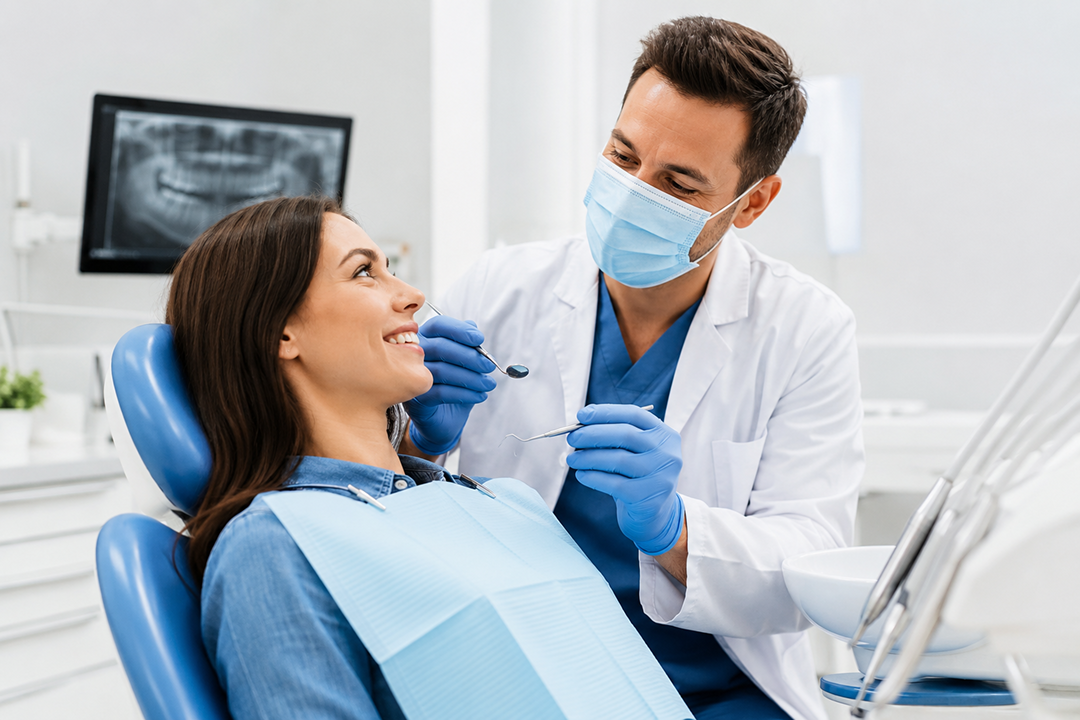
Affordable dental care means accessible preventive visits, clear pricing for routine and restorative treatments, and options that lower out‑of‑pocket cost without cutting clinical standards. Readers learn which services typically cost less, how Kansas City price ranges compare, and practical ways to get quality care within a budget.
What Makes Dental Services Affordable?
Affordability depends on multiple clear factors: clinic overhead, provider experience, materials used, and care setting. Community clinics and dental schools lower prices by subsidizing staff costs or using supervised students.
Insurance coverage and in‑office payment plans matter. A patient with a $50 monthly premium and a $1,000 annual maximum will face different out‑of‑pocket costs than an uninsured patient.
Preventive care keeps costs down. Regular cleanings and timely fillings prevent more expensive crowns, root canals, or extractions later.
Local discounts, sliding‑scale fees, and nonprofit programs also reduce costs. Kansas City nonprofit clinics often require income verification but can cut fees by 30–70%.
Typical Dental Costs in Kansas City
Kansas City prices vary by neighborhood and practice type. Typical private-practice fees: adult prophylaxis (routine cleaning) $80–$150; composite filling (one surface) $120–$250; crown $900–$1,600; root canal (molar) $900–$1,400; extraction $150–$450.
Community clinics and dental schools often charge lower rates: cleanings $30–$80 and fillings $60–$150. Medicaid covers many basic services for eligible residents; however, coverage for adults can be limited in scope.
Ask clinics for a written estimate and a treatment plan that lists individual procedure costs. Compare at least three local providers for larger work like crowns or implants to find a reasonable market rate.
Balancing Quality and Cost
Lower price should not automatically mean lower quality. Verify provider credentials, read recent patient reviews, and ask about materials and warranties for restorations.
Use these cost‑saving approaches: choose preventive care, consider staged treatment plans, and ask about high‑quality alternatives (for example, a well‑fitted partial denture versus an immediate implant) that lower initial expense.
Insurance, health savings accounts (HSA), and dental membership plans can spread costs. A clear payment agreement that specifies materials, lab fees, and follow‑up care prevents surprise bills.
When in doubt, seek a second opinion for major procedures and prioritize treatments that prevent pain or infection first.
Popular Low-Cost Dental Treatments
Affordable options in Kansas City commonly focus on routine prevention, simple restorations, and child-focused care that reduce future costs and protect oral health. Many clinics bundle exams, cleanings, and X-rays; sliding-scale programs and community clinics often cover basic fillings and pediatric services.
Preventive Care Options
Preventive services keep small problems from becoming expensive ones. Typical low-cost packages include an oral exam, two bitewing X-rays, and a prophy (professional cleaning) priced between $50–$120 at community and discount clinics.
Sealants for molars, often $30–$60 per tooth, significantly lower cavity risk for teenagers and young adults. Fluoride varnish or gel applications cost $10–$30 and are commonly included in pediatric visits or low-cost adult appointments.
Many practices in Kansas City offer membership plans that cover two cleanings per year, routine X-rays, and discounted restorations. These plans avoid insurance claims and reduce out-of-pocket costs for routine care.
Basic Restorative Procedures
When decay or minor damage occurs, low-cost restorative care focuses on affordability and function. Composite (tooth-colored) fillings typically range from $90–$250 per surface at community clinics, while silver amalgam fillings may be less expensive.
Simple extractions for non-surgical removals commonly cost $75–$200. Clinics that work with dental schools or public health programs may offer these services at reduced rates under supervision.
Antibiotic prescriptions or temporary restorations are available for acute pain to postpone costlier treatment when needed. Many providers offer payment plans, sliding scales, or voucher programs to spread the expense for crowns or root canals if those treatments become necessary.
Children’s Dental Services
Pediatric care emphasizes prevention and behavior-friendly treatment. Typical low-cost pediatric visits include an exam, cleaning, fluoride, and two bitewing X-rays for $40–$120 at public clinics. Many community programs provide sealants free or at low cost for children at higher cavity risk.
Behavior management techniques, shorter appointment slots, and distraction tools reduce stress and allow effective treatment in one visit. For early childhood cavities, stainless steel crowns and minimally invasive fillings are common low-cost restorative choices covered by many community programs.
Kansas City clinics often partner with schools and WIC programs to provide screenings and referrals, increasing access for families. They also help parents enroll children in Medicaid or CHIP and explain coverage for preventive and restorative services.
Local Programs and Community Clinics
These resources make dental care more accessible through sliding-scale fees, volunteer services, and training clinics. They include city-run public health centers, nonprofit organizations with low-cost programs, and university dental clinics offering supervised care.
Public Health Clinics in Kansas City
Kansas City Health Department operates dental services focused on prevention and basic restorative care for low-income residents. Services often include cleanings, exams, fillings, extractions, and sealants, with fees scaled to income and eligibility based on residency and household size.
Appointments may require proof of income, ID, and Medicaid or other insurance information. Wait times vary; callers should ask about emergency slots and weekday clinic hours. Some clinics run school-based programs for children’s screenings and fluoride treatments, improving access for families.
Many public clinics partner with community organizations to run mobile dental events. These pop-up clinics provide screenings and urgent care in neighborhoods with limited transportation. Patients should call ahead to confirm documents, age limits, and whether interpreters are available.
Nonprofit Dental Care Resources
Local nonprofits such as KC CARE Clinic and Heartland Community Health Center run dental programs for uninsured and underinsured patients. They offer sliding-scale fees, payment plans, and charity care for qualifying individuals and families.
Volunteer-driven events by organizations like Give Kids A Smile and the Missouri Mission of Mercy provide free dental clinics periodically. These events handle high-volume urgent needs—extractions, fillings, and pain relief—so patients should bring medical history and any medications.
Nonprofits often assist with navigation: scheduling, insurance enrollment, and follow-up referrals to specialty care like root canals or prosthetics. Call centers and patient advocates help determine eligibility and required paperwork before arrival to reduce time spent at the clinic.
Dental School Clinics
University of Missouri–Kansas City (UMKC) School of Dentistry and Dental Hygiene Clinic and other programs offer lower-cost care provided by students under licensed faculty supervision. Typical services include comprehensive exams, cleanings, X-rays, fillings, crowns, and some prosthodontics.
Appointments may take longer due to the teaching environment, but care follows current clinical standards and faculty review. Patients often receive detailed education on home care and preventive strategies as part of the treatment.
Fees are generally lower than private practice, and financing or sliding scales sometimes apply. Prospective patients should review clinic schedules, bring prior dental records, and expect staged treatment plans when complex care is required.
Dental Insurance and Discount Plans
Dental insurance and discount plans can lower common costs like exams, cleanings, fillings, and crowns. Knowing plan rules, provider networks, and typical out-of-pocket rates helps patients pick the option that fits their budget and dental needs.
How Dental Insurance Works
Dental insurance usually divides coverage into preventive, basic, and major categories with differing percentages covered. Preventive care — exams and cleanings — is often covered at 80–100% with little or no waiting period. Basic procedures like fillings typically see 60–80% coverage after any deductible. Major services such as crowns, root canals, and dentures often have 30–50% coverage and a longer waiting period, frequently six to twelve months.
Annual maximums and waiting periods matter. Most plans cap benefits at $1,000–$2,000 per year; once that limit is reached, the patient pays full cost. In-network dentists accept negotiated fees, lowering patient costs; out-of-network dentists can bill balance amounts. Deductibles usually range from $25–$200 per person per year and apply mainly to basic and major services.
Discount Plans and Membership Programs
Dental discount plans are membership programs that provide reduced fees for participating dentists for a yearly or monthly subscription. Members typically pay 10–60% less on procedures, depending on the practice and service. These plans do not pay providers directly; the patient pays the discounted rate at the time of service.
Discount plans remove claim forms and waiting periods for many procedures. They work best for patients who need predictable savings on routine care or for families whose dental needs exceed insurance annual maximums. Verify participating providers in Kansas City, plan exclusions (orthodontics or cosmetic work), and read provider fee schedules before joining. Compare savings examples — e.g., a $1,200 crown at 40% off versus insurance coverage after deductible — to decide which option saves more.
Navigating Out-of-Pocket Expenses
Patients should estimate total yearly costs by combining premiums, deductibles, expected co-pays, and procedures likely needed. A simple table helps compare scenarios:
- Annual premium: $0–$600
- Deductible: $25–$200
- Preventive visit copay: $0–$50
- Fillings/crown coinsurance: 30–50% after deductible
- Annual maximum: $1,000–$2,000
Request a cost estimate from the dental office for planned treatments. Ask the office to submit a pre-treatment estimate to insurance to reveal patient responsibility before work begins. For larger procedures, consider payment plans, health care credit (e.g., CareCredit), or spreading treatment across calendar years to maximize annual benefits.
Flexible Financing and Payment Options
Kansas City clinics often offer multiple ways to spread treatment costs so patients can get care without delay. Options include in-office payment plans with fixed monthly amounts and third-party plans like CareCredit that handle larger procedures.
Payment Plans for Patients
Many dental offices in Kansas City provide in-house payment plans tailored to the treatment and patient budget. A typical plan breaks the total into equal monthly payments over 3–12 months, sometimes with no interest if paid on time.
Patients usually complete a short application at the front desk; approval depends on basic credit checks and proof of ID.
Providers set clear terms up front: payment amount, number of installments, and late-fee policies. This transparency helps patients compare options and avoid surprises.
Dental schools and community clinics may offer sliding-scale fees combined with payment plans to reduce out-of-pocket costs further.
These plans often require a down payment of 10–30% for major procedures like crowns or implants.
Staff can run examples showing how different down payments and terms change monthly amounts, helping patients choose an affordable schedule.
CareCredit and Third-Party Financing
CareCredit functions like a healthcare credit card accepted by many Kansas City dentists for services from cleanings to implants.
It offers promotional periods (e.g., 6–24 months) with no interest if the balance is paid within the promo window; otherwise standard APR applies.
Applicants apply online or in-office; approval and credit limits vary by credit history.
Other third-party lenders provide fixed-term loans with predictable monthly payments and clear APRs.
Patients should compare total cost, promotional terms, and penalties for late or missed payments before choosing.
Dental offices can often estimate monthly payments for CareCredit and alternatives during the consultation, making it easier for patients to decide and schedule timely care.
Tips for Lowering Your Dental Bills
Practical steps can reduce lifetime dental costs by preventing major treatments, making visits more efficient, and taking advantage of local savings. Simple daily habits, clear communication with the dentist, and timing care around promotions all lower out-of-pocket spending.
Preventive Habits for Cost Savings
Regular home care prevents decay and gum disease that lead to expensive procedures. Brushing twice daily with fluoride toothpaste, flossing once a day, and using an ADA‑accepted mouthwash cut plaque buildup and slow progression of cavities. They often allow problems to be treated with fillings instead of crowns or root canals.
Schedule dental cleanings and exams every six months, or more often if the dentist recommends. Professional cleanings remove tartar that brushing can’t, reducing periodontal therapy needs. Ask the office to apply fluoride varnish or prescribe high‑fluoride toothpaste for patients at higher risk; these small interventions can prevent restorations.
Limit sugary snacks and sip water instead of sugary drinks to reduce acid exposure. For patients with bruxism, a custom nightguard protects teeth and avoids costly fractures or restorations down the road. Preventive investment often costs far less than restorative treatment.
Asking the Right Questions
Patients should ask clear, specific questions to compare costs and options before receiving treatment. Request a written estimate that itemizes fees for exams, X‑rays, fillings, crowns, and lab work so they can identify negotiable items. Ask whether the clinic uses in‑office labs or third‑party labs, since lab fees can vary.
Inquire about treatment alternatives and staged care. For example, ask if a filling can be done now and a crown later, or if a bonded restoration could be appropriate instead of a crown. Request cost comparisons between materials (porcelain vs. metal‑ceramic) and the expected lifespan of each option.
Confirm insurance coverage and preauthorization for major work. Ask the billing staff about available payment plans, CareCredit, sliding‑scale fees, or discounts for cash payments. Clear questions prevent surprises and open opportunities to lower immediate expenses.
Seasonal Specials and Promotions
Many Kansas City dental offices run seasonal specials on cleanings, new‑patient exams, and whitening treatments. Check dental practice websites, local Facebook pages, and community coupon sites for discounted prophylaxis + exam packages, especially during back‑to‑school or year‑end insurance rush periods.
Watch for end‑of‑year insurance reminders; offices may offer lower-cost restorative work late in December when patients want to use remaining benefits. Likewise, join dental clinic mailing lists to receive limited‑time promotions on nightguards, fluoride treatments, or implant consultations.
Community health clinics and dental schools also offer reduced-fee care during specific months. Verify service scope and supervision at dental schools, then schedule routine or nonurgent procedures during those promotional windows to save substantially.
Choosing the Right Dental Provider in Kansas City
Patients should look for a practice that combines clear pricing, flexible payment options, and compassionate staff. Prioritize offices with transparent fees, convenient hours, and services that match your dental needs.
Evaluating Office Atmosphere
A calm, clean office signals attention to patient comfort and infection control. Notice whether the waiting area is tidy, magazines are current, and staff greet patients promptly; these small details reflect operational standards.
Ask about appointment length and scheduling policies. Practices that offer online booking, evening hours, and minimal wait times better suit busy families and working adults in Kansas City.
Observe how the team communicates during a brief phone call. If reception answers questions about costs, accepts insurance, and explains payment plans clearly, the office more likely supports affordable care without surprise bills.
Tour the treatment area when possible. Modern equipment like digital X-rays, intraoral cameras, and updated operatories often improve diagnostic accuracy and reduce chair time, which many patients appreciate.
Understanding Provider Qualifications
Verify the dentist’s education and licenses. Look for DDS or DMD credentials and active Missouri licensure through the Missouri Dental Board, which can be checked online for current standing.
Review additional certifications for specialty care. For example, dentists who advertise implants, orthodontics, or sedation should list fellowship, residency, or continuing education credentials specific to those services.
Ask about clinical experience and case volume. Providers who have placed many crowns or restored several full-arch cases will have practical expertise that can reduce complication risks and improve outcomes.
Confirm involvement in local professional groups. Membership in the Greater Kansas City Dental Society or the Academy of General Dentistry indicates ongoing learning and adherence to regional standards.
Patient Reviews and Testimonials
Scan multiple review sites for patterns, not single comments. Look at Google, Healthgrades, and Facebook; consistent praise for gentle care, clear billing, and timely appointments matters more than one isolated complaint.
Prioritize reviews that mention specific procedures. Testimonials describing routine cleanings, emergency visits, or restorative work give useful insight into competence and patient experience.
Watch for mentions of price transparency and insurance handling. Positive notes about upfront estimates, itemized bills, and staff helping with claims suggest a practice focused on affordable care.
Reach out to the office with questions raised by reviews. A practice that responds professionally to feedback—positive or negative—usually demonstrates accountability and better patient communication.
Why Early Dental Care Saves Money
Early visits prevent small issues from becoming costly emergencies and keep routine costs predictable. Regular checkups, cleanings, and timely X-rays catch decay, gum disease, and bite changes before they require complex treatment.
Spotting Problems Sooner
Routine exams and bitewing X-rays identify cavities while fillings remain small and inexpensive. When a dentist detects a cavity at an early stage, a single-surface composite filling often suffices; waiting can require larger restorations like inlays, crowns, or root canals that cost several times more.
Gum disease begins with gingivitis, which a hygienist can reverse with scaling, improved home care, and targeted recall visits. If untreated, periodontitis can lead to bone loss, tooth mobility, and surgical therapy or tooth replacement—procedures that add significant expense and recovery time.
Early detection also reveals occlusion or bruxism patterns. Nightguards and minor orthodontic adjustments can prevent cracked teeth and repeated restorations, avoiding the need for crowns, implants, or full-mouth rehabilitation later.
Reducing Treatment Costs Over Time
Preventive services—cleanings, fluoride varnish, and sealants—require modest co-pays or low out-of-pocket fees and cut the incidence of costly procedures. For example, a $50–$200 sealant can prevent a molar cavity that might otherwise need a $300–$1,200 crown.
Scheduling regular visits creates a treatment timeline that spreads expenses and improves insurance coverage. Many plans cover two cleanings per year and partially cover restorative care; early action maximizes yearly benefits and reduces the chance of hitting annual maximums with surprise treatments.
Community clinics and sliding-scale practices in Kansas City often offer preventive bundles and payment plans. Addressing problems in staged, planned visits lowers acute emergency visits, which typically cost more per visit and can require urgent specialist care.
How to Start Your Dental Care Journey
They should begin by assessing current needs and budget. A quick checklist helps: identify pain or bleeding, note last dental visit, and list any insurance or financial constraints.
Next, they can explore providers in Kansas City, MO. Use online reviews, confirm clinic hours, and check for sliding-scale or community clinic options that offer lower fees.
They should call or book an initial exam. During the call, ask about payment plans, treatment timelines, and whether the practice accepts Medicaid, Medicare Advantage, or major insurers.
They can prepare for the first visit with simple steps. Bring ID, insurance cards, a list of medications, and any recent dental records if available.
Consider preventive care before major treatments. Routine cleanings and targeted home care often reduce future costs and discomfort.
Use this quick comparison table to decide where to go:
Option
Best for
Typical cost aid
Community clinic
Low-income or uninsured
Sliding scale / state programs
Private practice
Continuity of care
Payment plans, insurance
Dental school clinic
Lower-cost treatment
Supervised student care
They should ask clear questions during the appointment. Inquire about less invasive options, estimated costs, and follow-up care.
Encourage scheduling or calling a local clinic for an initial consult. A short conversation often reveals affordable paths forward and helps them feel more confident about next steps.
Frequently Asked Questions
This section lists specific places, programs, and steps Kansas City residents can use to find affordable dental care, emergency options, Medicaid coverage, and ways to spread costs.
Where can I find low-cost dental clinics or sliding-scale dentists in my area?
Heartland Community Health Centers and Kansas City Free Health Clinic operate dental programs with reduced fees based on income.
Look for “sliding scale dental” or “community dental clinic Kansas City” in local searches and call clinics for current income requirements.
Local county health departments (Jackson County Health Department, Platte County Clinic) sometimes maintain lists of low-cost providers.
Confirm services and wait times before visiting; some clinics require proof of income and residency.
Do any local dental schools or training programs offer reduced-cost treatment for adults?
UMKC School of Dentistry provides supervised student clinics that offer lower fees for exams, cleanings, fillings, and some crowns.
Expect longer appointments and faculty oversight; call the school clinic for scheduling and price lists.
Community college dental hygiene programs may offer discounted cleanings by students in training.
These are good options for routine care and preventive services at lower cost.
What are my options if I need dentures but I’m on a tight budget?
Dental schools and nonprofit clinics often provide basic partial or full dentures at lower rates than private labs.
Ask about denture types (immediate, conventional) and material choices to control costs.
Some labs and clinics offer flexible payment plans or phased treatment—start with a single denture or temporary option.
Consider removable partials or economy acrylic dentures as short-term, less expensive solutions.
Which dentists accept Medicaid, and what dental services are typically covered?
Missouri Medicaid covers children’s dental care comprehensively; adult coverage varies and is limited in some cases.
Search the Missouri Medicaid dental provider directory or call customer service for an up-to-date list of participating Kansas City dentists.
Medicaid commonly covers exams, extractions, fillings, and some emergency care for adults in certain plans.
Confirm service coverage and preauthorization rules before treatment to avoid unexpected bills.
What should I do if I have a toothache or broken tooth and need urgent care without spending a lot?
Call urgent-care dental clinics or community health centers the same day; many offer same-day evaluations and lower-cost emergency extractions.
If pain is severe, go to a hospital emergency room for infection control—ERs treat infections but may not provide definitive dental repair.
Ask clinics about sliding-scale fees, urgent-care discounts, or temporary fixes (palliative fillings, antibiotics) to stabilize the problem.
Follow up with a dentist for definitive treatment to avoid repeated emergency visits.
How can I prioritize dental work and spread out costs with payment plans or financing?
Ask dentists about in-office payment plans, third-party medical/dental lenders, and no-interest short-term financing options.
Prioritize treatments that address pain, infection, and function first—then schedule elective or cosmetic work later.
Get itemized treatment plans and compare quotes from multiple clinics, including dental schools, to spread work across visits.
Look for community programs or charitable events offering free or reduced-cost services for specific procedures.